
Software Composition Analysis (SCA)
SCA is a critical process in modern software development, designed to manage and secure the open-source components and third-party libraries used in your applications.
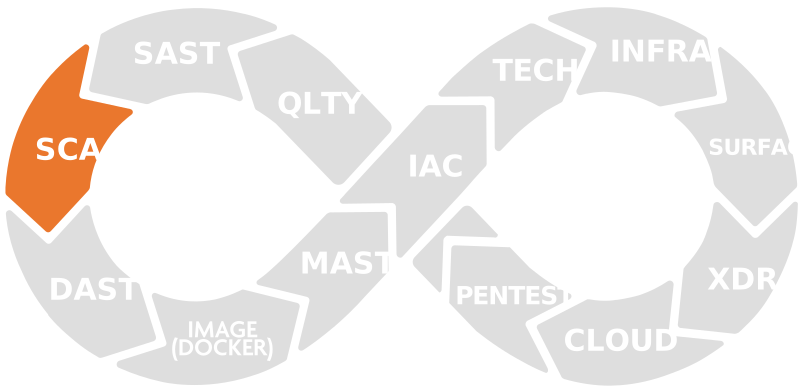
What is SCA?
Software Composition Analysis (SCA) is a method of identifying and managing the open-source components and third-party libraries used in an application. SCA tools analyze the composition of your software, detecting known vulnerabilities, outdated versions and licensing conflicts.
By giving a clear overview of every component in the software, SCA helps developers and security teams keep applications secure and compliant with industry standards and regulations.
Full visibility into every dependency
SCA scans your codebase and build artifacts to identify all open-source components and third-party libraries, then cross-references them with known-vulnerability databases and license repositories.
- 1
Component Identification
The SCA tool scans the entire codebase, identifying all open-source and third-party components, including direct and transitive dependencies.
- 2
Vulnerability Matching
It matches these components against comprehensive databases of known vulnerabilities, such as the National Vulnerability Database (NVD), to detect security risks.
- 3
License Analysis
SCA checks the licenses of all identified components against your organization's policies, flagging any potential legal issues.
- 4
Version Management
The tool tracks component versions and alerts your team when any are outdated or when patches are available to mitigate risk.
- 5
Reporting & Remediation
It generates detailed reports covering the vulnerabilities found, their severity, license issues and recommendations for updating or replacing insecure components.
Continuous protection for open-source dependencies
SCA is particularly valuable for organizations that rely heavily on open-source components and third-party libraries. A common use case is during the integration and testing phases, where SCA ensures every component is up-to-date and free of known vulnerabilities before release. Integrated into CI/CD pipelines, it provides continuous monitoring of dependencies so new vulnerabilities are addressed promptly — especially important for finance, healthcare and government, where open-source use must be carefully managed.
Frequently asked questions
What is Software Composition Analysis (SCA)?
SCA identifies and manages the open-source components and third-party libraries in your application, detecting known vulnerabilities, outdated versions and license conflicts.
Does SCA cover transitive dependencies?
Yes. It scans the entire codebase and build artifacts to identify all components — both direct and transitive dependencies.
How does SCA detect vulnerable components?
It matches your components against comprehensive vulnerability databases such as the National Vulnerability Database (NVD) and tracks versions for available patches.
Can SCA flag license risks?
Yes. It checks the licenses of all components against your organization's policies and flags potential legal or compliance issues.
Can SCA run continuously?
Yes. Integrated into CI/CD pipelines, it continuously monitors dependencies so newly disclosed vulnerabilities are surfaced and addressed promptly.
Know your dependencies — and their risk
Get a live inventory of every component, with the vulnerabilities and license issues that matter.